Building Strong Bonds: The Heartfelt Importance of Quality Family Time

In the hustle and bustle of our modern lives, amidst work deadlines, school activities, and endless to-do lists, the essence of quality family time often gets lost. In this fast-paced world, it’s crucial to pause, reflect, and realize that the moments we spend with our loved ones are the ones that truly matter. Welcome to a blog dedicated to uncovering the magic of “Building Strong Bonds: The Importance of Quality Family Time.” Let’s delve into why these moments are invaluable and explore creative ways to make the most of them.

The Essence of Family Time:
Life is a beautiful journey, and our families are the pillars of strength that support us along the way. Quality family time goes beyond just being physically present; it’s about being emotionally present too. Studies have shown that spending time together as a family can lead to stronger communication, enhanced emotional well-being, and a deeper sense of belonging.

The Benefits for Children:
Children thrive when they have the love and attention of their parents and siblings. Quality family time provides an opportunity for kids to learn, grow, and develop essential life skills. From improved academic performance to increased self-esteem, the benefits are endless.

Making Family Time Count:
Here’s where the fun begins. No, you don’t need elaborate plans or expensive outings. It’s about creating meaningful connections. Try cooking together, sharing stories during dinner, or having a family game night. Disconnect from devices and reconnect with each other.

Outdoor Adventures:
Nature has a way of bringing families closer. Whether it’s hiking, picnicking, or simply playing at the park, spending time outdoors encourages exploration and shared experiences. These moments become treasured memories that last a lifetime.

Tech-Free Time:
In a digital age, it’s important to establish boundaries for screen time. Designate tech-free zones or hours to encourage real conversations. Put away the gadgets and savor the moments of pure, uninterrupted family interaction.

Family Meetings and Traditions:
Regular family meetings provide a platform for everyone’s voice to be heard. Discuss plans, concerns, and dreams. Also, consider creating family traditions that can be passed down through generations. These rituals create a sense of continuity and strengthen family bonds.

Capturing Moments:
Don’t forget to capture these precious moments. Whether it’s through photographs, videos, or journal entries, documenting your family’s journey allows you to relive those heartwarming times whenever you wish.

Activity Suggestions:

Kids 4-12- Make a Fort inside or outside of the house.

Kids 13-17- Complete Puzzles Together

In a world that constantly demands our attention, it’s easy to overlook the simple joys of quality family time. But remember, it’s in these moments that we truly live, love, and create the bonds that last a lifetime. Cherish these moments, for they are the threads that weave the fabric of your family’s story.

So, let’s embark on this journey together – a journey of building strong bonds and nurturing relationships that will stand the test of time. Join us as we uncover the art of forging connections and making every moment count. Your family’s story is waiting to be written – one cherished moment at a time.


Early Reading Education

Advantages of Teaching Children Reading Early

Guest Post By: ChildrenLearningReading.com

Before a child learns to read, he or she must first learn the spoken language, and this is one of the first instances where family members such as dad, mom, older siblings, and grandparents play an important role in “teaching” the child the spoken English language. Whether young children realize it or not, they gain very early exposure to the alphabet when parents sing the alphabet song to them. They begin to develop language skills by being read to and spoken to. One of the keys to teaching children reading early on is by exposing them to alphabet letters, books, and reading to them often.

Reading nursery rhymes and children’s books are an important part of getting children to understand printed text. Talk to your children, and talk to them often, whether they understand or not is not important when they’re just babies. The more you talk and interact with your little ones, the better they will develop. The key is exposure, and repeated exposure. Once your child learns to speak, you can begin teaching them reading at home.

I often hear parents say that they don’t want to “push” their child too hard. How can teaching your child to read at a young age be considered “pushing” them too hard? If you as a parent already have the mentality that reading is a chore, and teaching them to read is pushing “too hard”, you certainly can’t expect your children to be excited about learning reading. On the contrary, learning to read offers a young child an opportunity for a lifetime to learn, discover, and enjoy the wonders of reading. Parents (including myself) will often underestimate the abilities and learning capabilities of young children. When we first began our teaching reading program with our first child when she was 2 years and 8 months, little did we expect that in just a few short weeks, she would be reading not just words, but sentences and story books. After about 3 months, by the time she was 2 years 11 months old, our daughter could read “Step in to Reading – step 2 (pre-school to grade 1 level)” books with some guidance. The benefits of learning to read were apparent – improved speech clarity, and better reading ability and reading comprehension.

There are no shortage of studies which find many benefits in teaching children reading at an early age. For example, one study administered a Stanford achievement test at the start of kindergarten and then again at the end of grade one found that early language based skills were highly associated with later academic performance in school aged children. [1] Similar studies also found that a high level of letter knowledge in kindergarten can reliably predict better later literacy skills.[2] Having a home environment that’s conducive to literacy growth is critical in a child’s development, and directly affects a child’s language and literacy development. Studies have found that responsiveness and support of the home environment is the strongest predictor of children’s language and early literacy skills. [3] My point here is help make parents aware that children who enter kindergarten with highly developed early reading skills will achieve greater success with systematic reading education. [4]

It’s never too late to start home lessons and programs to teach your children to read. Regardless how old your child is, starting a reading program at a young age will have ample benefits. Start with lots of talking, singing, and reading to your child right from birth, and once your child is able to speak, you can start a simple reading program.

Begin with teaching your child some basic letters and their sounds, and even as soon your child learn just a few letters and their sounds, you can begin teaching them simple blends using the letter knowledge that they have acquired. Work on ear training with your child on oral blending and word segmentation. One of the keys to teaching children read is developing phonemic awareness. Studies have shown that phonemic awareness is one of the best predictors of reading success in children.

>> Click here to learn about a simple, yet effective step-by-step teaching Children reading program

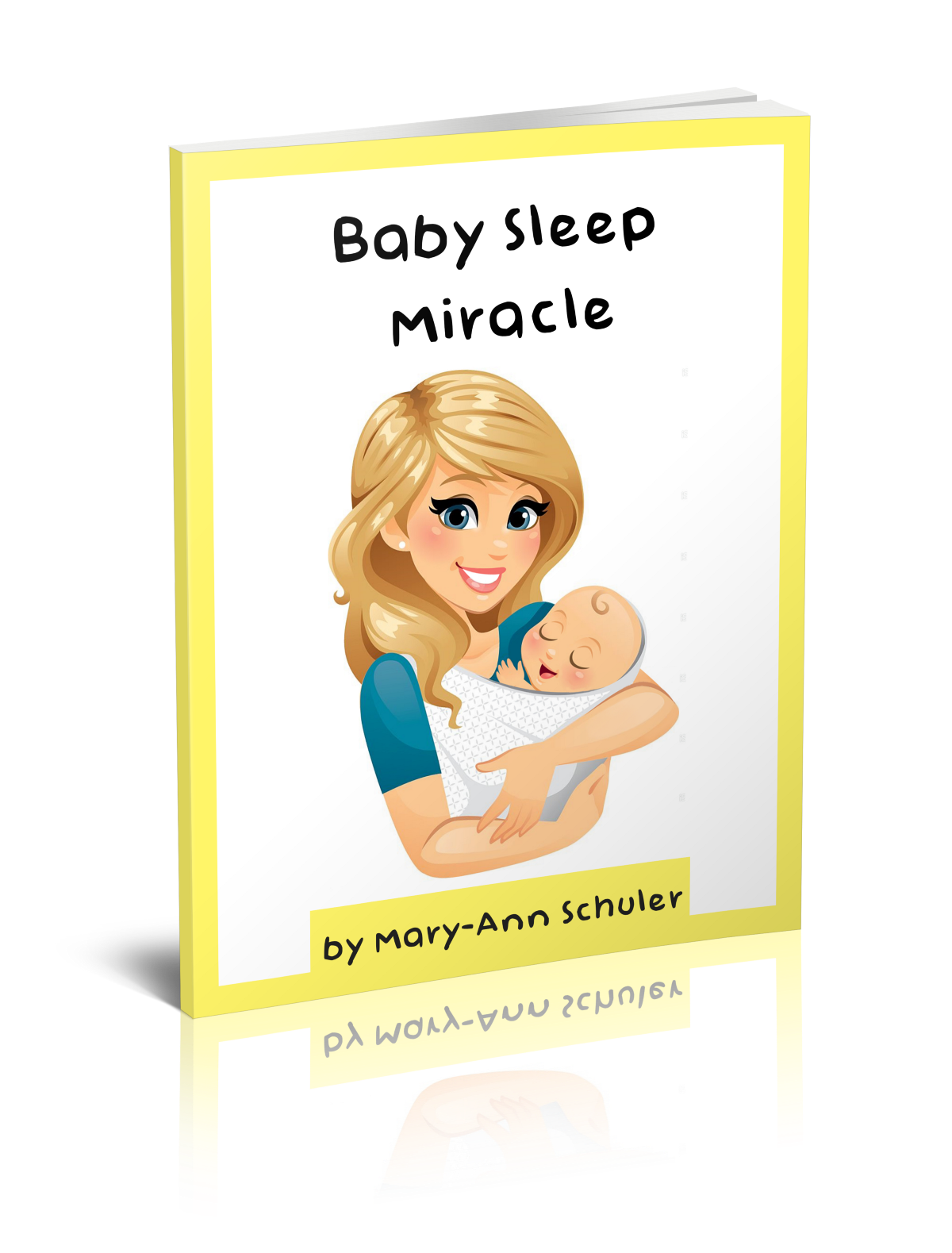
Review- Baby Sleep Miracle

Baby Sleep Miracle — From Stress To Sleep In No Time

Out of all the baby sleep programs I’ve reviewed, this one is definitely my favorite. The program is created by child psychologist Mary-Ann Schuler, mother of two, and in it she offers easy-to-follow guidelines for successful sleep training of your baby.

What I really love about this guide is that she covers a wide variety of topics. As a matter of fact, there isn’t a topic she doesn’t cover. She talks about the importance of sleep in a baby’s development and the dangers of sleep for both children and adults alike, highlighting many problems that may arise during the process. Furthermore, she underlines the importance of consistency and routine.

The guide contains 4 chapters and 16 sub-chapters that focus from start to finish on how to put your baby to sleep, the signs you need to look for when your baby is tired, as well as the issue of tantrums and separation anxiety. Moreover, it includes valuable advice on how to overcome these hurdles by using loveys and following a consistent sleeping, eating, and playing schedule.

The best part of this program is the “Good Sleep At Every Age” chapter, in which the author describes in minute detail every developmental phase of a child from birth up to five years of age, providing custom indications on how to adjust the sleeping strategy to any child’s personality.

I also love the fact that she writes in a way that everyone can understand, without using technical terms or specific psychology jargon.

The Baby Sleep Miracle goes way beyond a “sleep training book”, and Mary-Ann Schuler literally helps you turn your days — and nights — from stressful to restful.

Cherice Richardson 

Design a site like this with WordPress.com
Get started